

On cold mornings, the steel bowl on the balcony often sits untouched while your dog stays curled up under the razai. A dog not drinking water in winter is a common worry for Indian pet parents. Usually the cause is simple, but sometimes it’s a warning sign.
Quick answer: It’s normal for dogs to drink a little less in winter, because they’re less active and pant less. Dogs need about 65 ml of water per kg of body weight a day, including water from food. To help, offer room-temperature water in a clean indoor bowl and add water or unsalted broth to meals. See a vet if your dog has dry gums, sunken eyes, vomiting or lethargy, or hasn’t drunk anything for 24 hours.
Why Is My Dog Not Drinking Water in Winter?
Dogs drink less in colder months and when they’re less active, according to Agria Pet Insurance. Common everyday causes include:
- Cold water: Water left overnight in a steel bowl outdoors gets icy and unappealing.
- Bowl placement: A bowl on the terrace or far from your dog’s bed often gets ignored.
- Dirty bowl: PetMD notes that biofilm on unwashed bowls makes water smell and taste bad.
- Moist diet: Dogs on fresh-cooked food or broth get water from their meals.
- Stress: Crackers, wedding-season noise, guests or travel can put dogs off drinking.
PetMD also lists medical causes: dental pain, an upset stomach, arthritis that makes walking to the bowl painful, and illnesses such as bladder infections. A dog who eats well but drinks slightly less is less worrying than a dog not eating or drinking water.
What Are the Signs of Dehydration in Dogs?
The American Kennel Club (AKC) lists these dog dehydration symptoms:
- dry, sticky gums and thick saliva
- sunken, dry-looking eyes
- loss of skin elasticity
- lethargy and loss of appetite
- vomiting or diarrhoea, and panting
Three quick home checks:
- Skin tent test: Lift the skin over the shoulder blades and let go. It should spring back instantly. A slow return suggests dehydration.
- Gum check: Healthy gums feel wet and slippery, while tacky gums are a warning sign.
- Capillary refill: Press the gum until it turns pale. Pink should return within about 2 seconds.
How Much Water Should a Dog Drink a Day?
AKC and PetMD both advise about one ounce of water per pound of body weight daily, which works out to roughly 65 ml per kg.
| Dog’s weight (example breeds) | Daily water | In 250 ml glasses |
|---|---|---|
| 4 kg (Shih Tzu, Miniature Pinscher) | About 260 ml | About 1 |
| 10 kg (Beagle, French Bulldog) | About 650 ml | About 2½ |
| 20 kg (Indie, Border Collie) | About 1.3 litres | About 5 |
| 30 kg (Labrador, Golden Retriever) | About 2 litres | About 8 |
| 40 kg (German Shepherd, Rottweiler) | About 2.6 litres | About 10-11 |
These amounts include moisture from food, so dogs on fresh meals usually drink less from the bowl. To check your dog’s intake, measure the water you put down each morning, then track what’s left over 2-3 days.
How to Get Your Dog to Drink Water in Winter
- Take the chill off: Serve room-temperature or slightly lukewarm water, never hot.
- Move the bowl indoors: Keep it near your dog’s bed, away from heaters. Add a second bowl for senior dogs.
- Wash the bowl daily: Refill it with fresh water at least twice a day.
- Add water to meals: Mix a few spoons of lukewarm water into kibble.
- Flavour the water: PetMD suggests adding a tablespoon of unsalted chicken broth. Avoid stock cubes, dal or curry, which may contain salt, onion or garlic.
- Never force water: If your dog refuses water completely, see a vet.
Dog Not Eating or Drinking Water: When to See a Vet
See a vet straight away if your dog:
- isn’t eating or drinking
- hasn’t drunk anything for 24 hours, the point at which Vetster says emergency care is warranted
- shows dehydration signs, vomiting or diarrhoea
- is a puppy, senior, toy breed or nursing mother, groups AKC flags as higher risk
Vets can give fluids under the skin or through a drip to rehydrate a dog quickly.
Hydrating Toppers from Canine Craving
Food can do much of the hydrating in winter. Our guide to food for dogs in winter has more ideas.
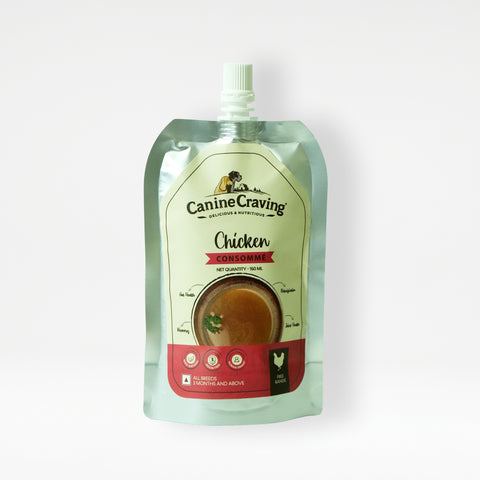
- Chicken Broth (150 ml): Stir a spoonful into the water bowl to make it more tempting.
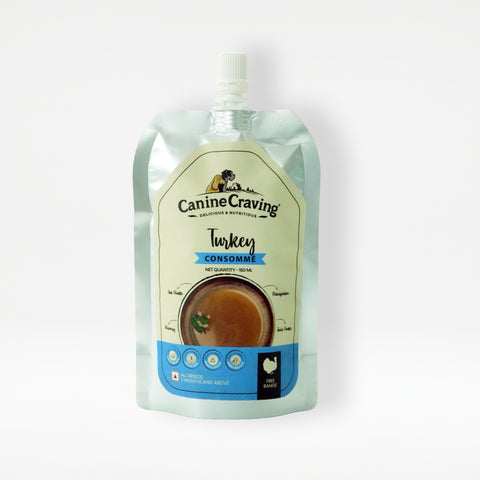
- Turkey Broth (150 ml): This slow-cooked turkey bone broth is a lean option for dogs sensitive to chicken.
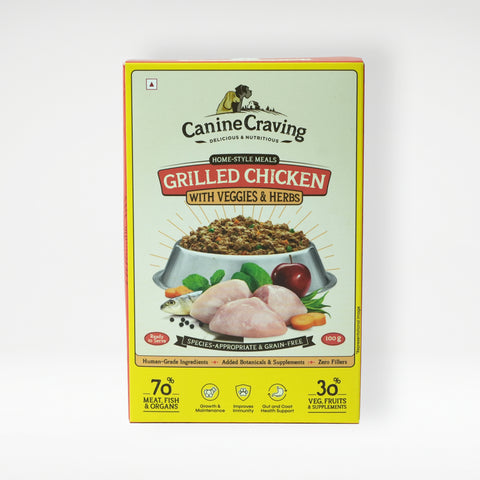
- Fresh Meals (300 g): Slow-cooked meat and vegetables carry far more moisture than kibble.
Start with a few spoonfuls and always keep fresh water available.
FAQs on Dogs Not Drinking Water
Is it normal for dogs to drink less water in winter?
Yes, a small drop is normal because dogs are less active and pant less. A sudden drop, or one that comes with other symptoms, needs a vet check.
How long can a dog go without water?
Call your vet if your dog hasn’t drunk anything for 24 hours. PetMD warns that 3-4 days without water is a life-threatening emergency.
Why is my dog not drinking water but eating?
Usually your dog is getting water from food, especially fresh meals or broth. It can also mean the bowl or water is unappealing.
Should I give my dog warm water in winter?
Room-temperature or slightly lukewarm water is fine. Test it on your wrist first.
Can I give my dog ORS?
Ask your vet first. AKC says electrolyte fluids may help a dehydrated dog that isn’t vomiting, but your vet should confirm the type and dose.


