
Winter brings cosy blankets, shorter walks and plenty of time indoors. But it also means changes in your dog’s daily routine, activity levels and eating habits. You might notice your dog spending more time sleeping, drinking less water or becoming less active during colder days. Naturally, this makes many pet parents wonder whether their dog needs additional nutritional support.
A healthy immune system helps your dog respond to everyday environmental challenges. While a balanced diet remains the foundation of good health, certain nutrients play an important role in normal immune function. So, should you consider an immunity supplement for dogs this winter? Let’s understand what your dog needs and how to choose the right nutritional support.
Quick answer: An immunity supplement for dogs may help address specific nutritional requirements, but it cannot guarantee protection against infections or illnesses. A complete and balanced diet, adequate hydration, regular exercise and preventive veterinary care are essential for maintaining normal immune function. Supplements should only be introduced when they suit your dog’s individual needs.
Why Is Immune Health Important for Dogs During Winter?
Your dog’s immune system works throughout the year, helping the body recognise and respond to harmful microorganisms. However, winter can bring changes that affect everyday health and wellbeing.
Some common winter-related challenges include:
- Reduced activity: Shorter walks and more time indoors can affect your dog’s regular exercise routine.
- Changes in hydration: Some dogs drink less water during colder weather, making it important to maintain adequate fluid intake.
- Dietary changes: Changes in feeding habits or food choices can affect nutritional balance.
- Skin and coat concerns: Dry indoor air and colder weather may contribute to dry or flaky skin.
- Changes in routine: Less outdoor activity and different sleeping patterns can influence your dog’s daily habits.
These changes do not automatically weaken your dog’s immune system. However, maintaining consistent nutrition and everyday care becomes particularly important during seasonal transitions.
What Nutrients Support Your Dog’s Immune System?
A healthy immune system depends on several nutrients working together. According to Cornell University College of Veterinary Medicine, proteins, fats, vitamins and minerals all play important roles in normal immune function.
Here are some essential nutrients for dogs that contribute to overall health.
- Protein: Provides amino acids required for building and maintaining immune cells, tissues and antibodies.
- Vitamin E: Acts as an antioxidant and helps protect cells from oxidative damage.
- Vitamin A: Supports normal immune function and maintains healthy skin and protective tissues.
- Vitamin D: Plays a role in regulating immune responses and maintaining normal bodily functions.
- Zinc: Contributes to normal immune cell development, skin health and wound healing.
- Iron: Helps support normal oxygen transport and cellular functions.
These nutrients are generally available through complete and balanced dog food. Additional supplementation is not automatically necessary, as excessive amounts of certain vitamins and minerals can cause health problems.
What Should You Look for in an Immunity Supplement for Dogs?
Choosing from the many dog immune supplements available can be confusing. Different products contain different ingredients, and not every formulation is suitable for every dog.
Before selecting a supplement, consider the following:
- Ingredient quality: Look for clearly listed ingredients and understand their nutritional purpose.
- Nutritional value: Check whether the formulation provides nutrients relevant to your dog’s requirements.
- Dog-specific formulation: Always choose products designed specifically for dogs rather than human supplements.
- Age suitability: Puppies, adult dogs and senior dogs may have different nutritional requirements.
- Feeding instructions: Follow the recommended serving quantity based on your dog’s weight.
- Veterinary guidance: Consult your veterinarian before introducing additional vitamins or minerals.
The following table highlights some nutrients commonly associated with normal immune function in dogs.
| Nutrient | Role in the body | Common food sources |
|---|---|---|
| Protein | Supports immune cells, antibodies and tissue maintenance. | Chicken, fish, eggs and meat. |
| Vitamin E | Provides antioxidant protection. | Appropriately formulated dog food containing vitamin E. |
| Vitamin A | Supports normal immune function and healthy tissues. | Liver and nutritionally balanced dog food. |
| Zinc | Contributes to immune cell function and skin health. | Meat, fish and complete dog food. |
| Vitamin D | Helps regulate normal immune responses and calcium balance. | Fish and appropriately formulated dog food. |
Remember, the goal is to provide the right nutritional balance rather than adding every nutrient separately.
Can an All-in-One Supplement Support Your Dog’s Winter Nutrition?
Managing several supplements can become confusing, especially when you’re trying to address different nutritional requirements. This is where an all-in-one formula can offer convenience.
Canine Craving’s All-In-One Fish Supplement for Dogs combines fish powder, naturally extracted gelatin, eggshell powder, papaya, milk thistle, parsley, dandelion, curcumin, turmeric and ginger.
According to its product description, the formula is designed to support:
- Skin and coat health: Fish powder provides nutritional components associated with maintaining healthy skin and a glossy coat.
- Joint and bone health: Naturally extracted gelatin and eggshell powder provide ingredients intended to support joint and bone health.
- Digestive wellness: Papaya, parsley and dandelion are included to support normal digestion.
- Overall vitality: The combination provides nutrients intended to support energy, immunity and everyday wellbeing.
The powdered supplement can be mixed with your dog’s regular wet food or dry kibble, making it convenient to include in everyday meals.
You can explore Canine Craving’s All-In-One Fish Supplement to learn more about its ingredients and feeding instructions.
It is important to remember that this is a general nutritional supplement, not a treatment for infections or a substitute for veterinary care.
How to Support Your Dog’s Immunity Naturally During Winter
Apart from choosing suitable dog immunity supplements, everyday habits play an important role in maintaining your dog’s health.
Here are some practical ways to support your dog’s wellbeing during colder months:
- Maintain a balanced diet: Continue feeding complete and balanced meals that provide the nutrients your dog needs.
- Keep fresh water available: Encourage regular drinking, even when your dog seems less thirsty.
- Continue regular exercise: Shorter walks or indoor activities can help maintain physical activity during colder days.
- Maintain vaccination schedules: Follow your veterinarian’s recommendations for routine vaccinations and preventive healthcare.
- Provide adequate rest: Give your dog a comfortable, warm sleeping area away from cold draughts.
- Maintain hygiene: Regularly clean food bowls, bedding and feeding areas.
These habits support overall health and should remain part of your dog’s routine throughout the year.
When Should You Consider an Immunity Supplement for Dogs?
Not every dog needs additional supplementation. Healthy dogs eating complete and balanced food generally receive adequate nutrients for normal immune function.
However, your veterinarian may recommend additional nutritional support in certain situations, such as:
- Dogs with an identified nutritional deficiency.
- Senior dogs with specific dietary or health requirements.
- Dogs recovering from certain illnesses.
- Dogs following restricted or prescription diets.
- Dogs with medical conditions that affect nutrient absorption.
If your dog frequently experiences digestive problems, unusual tiredness, poor appetite or recurring infections, do not rely on an immunity supplement alone. These signs may indicate an underlying health concern that requires veterinary attention.
Winter Nutrition Support from Canine Craving
If your vet agrees that extra nutritional support suits your dog, these supplements mix easily into home-cooked meals or kibble.
- Meal Balancer Formula (200 g): Adds amino acids, vitamins A, D3 and E, and chelated zinc, iron and selenium, along with omega-3, prebiotics and digestive enzymes, to help balance home-cooked meals or kibble.
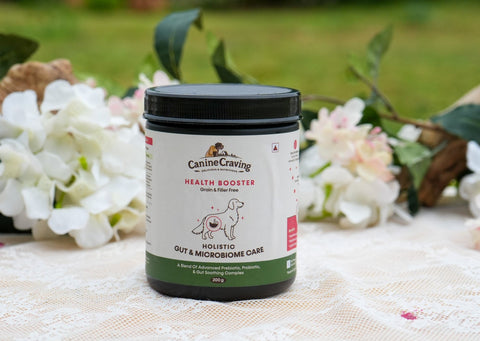
- Holistic Gut & Microbiome Care (200 g): Combines a three-strain probiotic blend with prebiotic inulin and FOS, plus the digestive enzymes bromelain and papain, to support healthy gut flora and digestion.
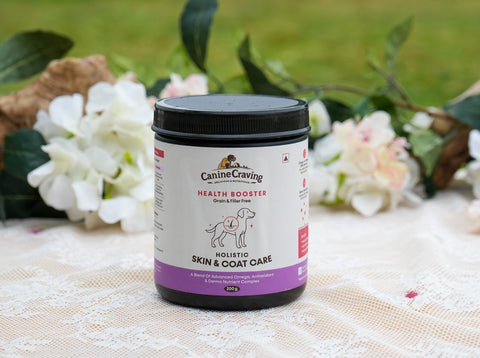
- Holistic Skin & Coat Care (200 g): Pairs an omega 3-6 blend with marine collagen, biotin, zinc and vitamin E to support skin and coat through dry winter months.
Start with half the recommended dose and build up to the full dose from day 3, as each product’s feeding guide advises. Introduce one supplement at a time and always keep fresh water available.

Key Takeaways: Choosing the Right Dog Immunity Booster
Here are a few things to remember when considering immune boosters for dogs during winter:
- A balanced diet is the foundation of a healthy immune system.
- Protein, vitamins and minerals contribute to normal immune function.
- Not every dog needs additional immunity supplements.
- Choose dog-specific products with clearly listed ingredients.
- All-in-one formulas can provide convenient nutritional support when their ingredients suit your dog’s needs.
- Hydration, exercise, rest and preventive veterinary care are equally important.
- Always consult your veterinarian before introducing additional vitamins or minerals.
Your dog’s immune health depends on consistent care, appropriate nutrition and healthy everyday habits. Rather than looking for a quick dog immunity booster, focus on providing the right support throughout the year.
Frequently Asked Questions About Dog Immunity
Can I give my dog an immunity supplement every day?
Some dog supplements are formulated for regular use, but whether your dog needs one depends on their diet and individual nutritional requirements. Follow the manufacturer’s instructions and consult your veterinarian before introducing daily supplementation.
What are the best immune boosters for dogs?
There is no single supplement that works as a universal immune booster. A complete diet containing adequate protein, vitamins and minerals supports normal immune function. Additional supplements should be selected according to your dog’s specific needs.
Do senior dogs need immunity supplements?
Not necessarily. Senior dogs may have different nutritional requirements depending on their health and activity levels. A veterinarian can help determine whether additional nutritional support is appropriate.
What nutrients help support a dog’s immune system?
Protein, vitamins A, D and E, zinc and iron all contribute to normal immune function. These nutrients should ideally come from a complete and balanced diet.
Can an immunity supplement prevent infections in dogs?
No supplement can guarantee protection against infections. Nutritional support helps maintain normal bodily functions, but vaccination, hygiene, preventive veterinary care and a balanced diet remain important.
Should puppies take dog immune supplements?
Puppies generally receive the nutrients they need from an appropriate complete puppy food. Additional supplements should only be given when recommended by a veterinarian, as excessive vitamins and minerals can interfere with healthy development.


